
Identity and Differentiation in International Markets
The world has been globalized for decades and digitalization, as a transformation process, is already fully established in our society. Companies and people live interconnected in a virtual world in which it is easier to communicate and reach other markets, but in which it is more difficult to be oneself and stand out. There is more homogeneity and competition than ever before. In this context, companies need to differentiate themselves.
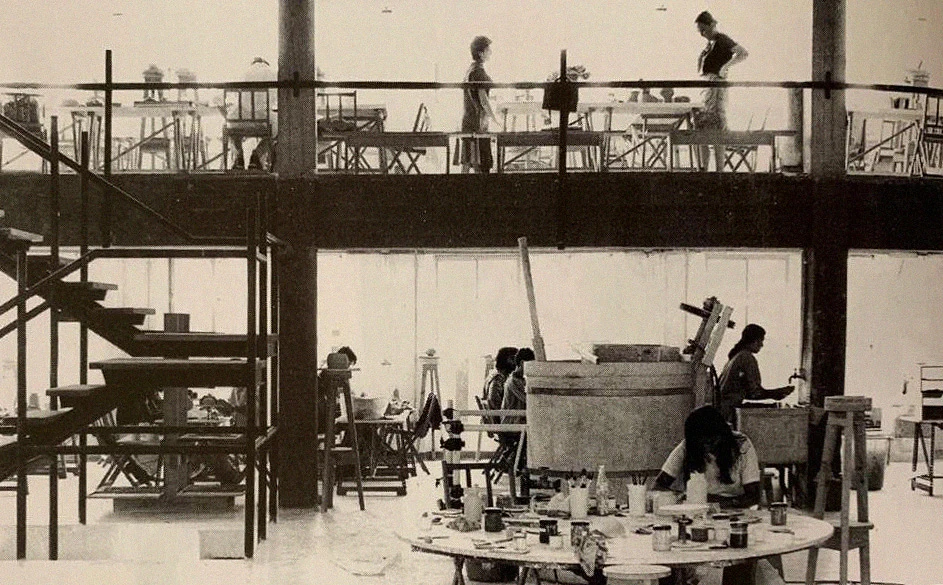
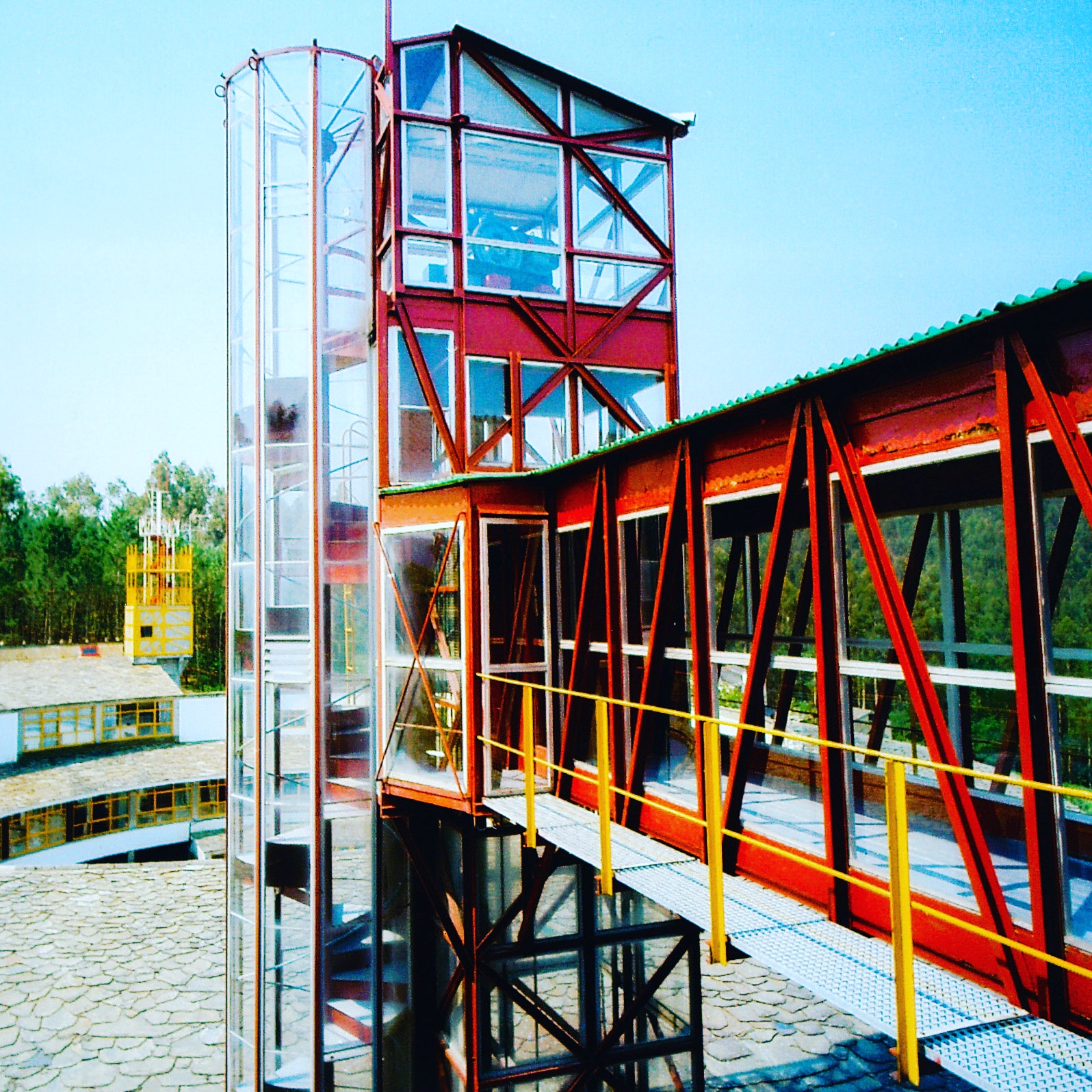
1997. Galicia. The Domus Academy (a famous design school in Milan), attracted by the principles of the Laboratorio de Formas (a cult project in the history of design and industry in Galicia), participates in a debate with members of the company. I am just a student among architects, designers and historians. The three representatives of Domus, Antonio Petrilo, Giulio Ceppi and Francesco Morace, are surprised to discover that the Laboratorio de Formas anticipated in the 1960s the same principles and values that they defend today.
Through their presentations they reach several conclusions. Petrilo affirms that the more globalization grows, the need for local cultures becomes more evident. He also explains that the dream of modern design was to create a standard of civilization that would be the same for everyone. Modern culture wanted to standardize, it wanted to create a model that was the same for everyone. Today we no longer believe in that, but in the opposite. In terms of image, a product that tries to be good for everyone may not be good for anyone in particular; Ceppi mentions that objects in a globalized world must not only have functionality, but must also have a set of values that transmit specific experiences of their environment, thus overcoming the mismatch between the local and the global; and Morace expresses the importance of culture in the configuration of the object, working on its own identity. In a globalized world, he says, those with personality, a history and a recognizable and credible identity have a better chance of winning. Today, as opposed to the American slogan “think globally, act locally, we can say exactly the opposite, “think locally, act globally”.
All these reflections were included in the founding texts of the Laboratorio de Formas de Galicia, in which the interest in creating objects with local roots, but with a universal vocation, is expressed. Products that transmit a history and an identity that guarantee their uniqueness. Something that is summarized with the paradigmatic phrase of Díaz Pardo and Seoane “we want to enrich the world with our difference”.
The theory of the Laboratorio de Formas supposes, at least in industrial design, the overcoming of rationalism and its principle “form follows function”.
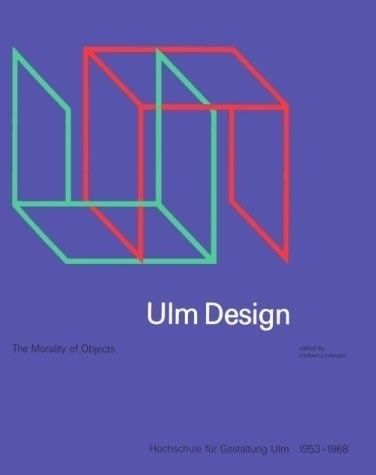
Year 2004. Milan. I meet Tomás Maldonado to establish a first contact, the Laboratorio de Formas wants to pay tribute to him by writing a book about his career. He is a reference, from his beginnings in which he tried to transform reality through concretism, going through the Ulm School in Germany with Max Bill and his arrival in Italy in 1968, from where he would not move, working mainly at the Politecnico di Milano.
I ask him several questions; he is quite elusive and keeps mentioning books and manifestos written by him. He reiterates the need for products to be socially sustainable, he says that a designer, despite working for industry, must continue to assume his responsibilities to society. Objects must satisfy the concrete needs of everyday life, but they must also enrich the cultural experience. It also incorporates among the great challenges of design, the need for products to be environmentally sustainable.
In the local / global debate, despite recognizing the great lesson that the protagonists of the Bauhaus have bequeathed us “the unwavering desire to seek socially and culturally innovative responses to the demands of the historical moment in which we live”, he also makes self-criticism and mentions that the Bauhaus and the Ulm school contributed to homogeneity.
2017. Rio de Janeiro. I have the first of many meetings with architect Marco Zanini, he as an part of the company’s scientific committee and I as vice-director of the IED (Istituto Europeo di Design). Zanini is one of the founding members of the Memphis Group, together with Ettore Sottsass, a collective with great influence in industrial design that we could say is situated in the antithesis of functionalism, with its proposal of objects that are more emotional than functional. He is not an easy person, but his theoretical developments are priceless. Of all his ideas, I highlight his commitment to creativity and his reflections regarding “genius Loci”, where he sees the need for each IED international headquarters to absorb the culture and identity of that particular place in the world where it is located.
Where do I want to go with this chronology of eclectic references? I want to emphasize the importance of uniqueness, the need to stand out from the rest that I mentioned at the beginning, but always with the target and at the service of trying to improve the experiences of the society in which we live. The way to achieve this is to focus on innovation and design, with the aim of offering unique experiences.
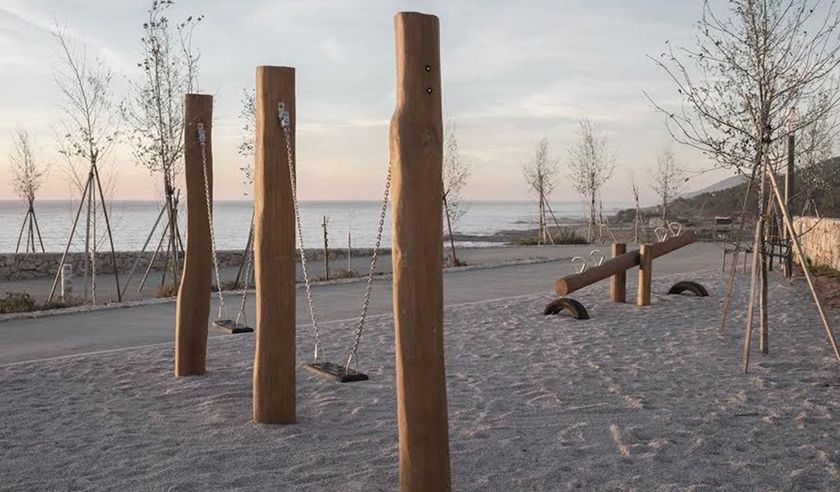
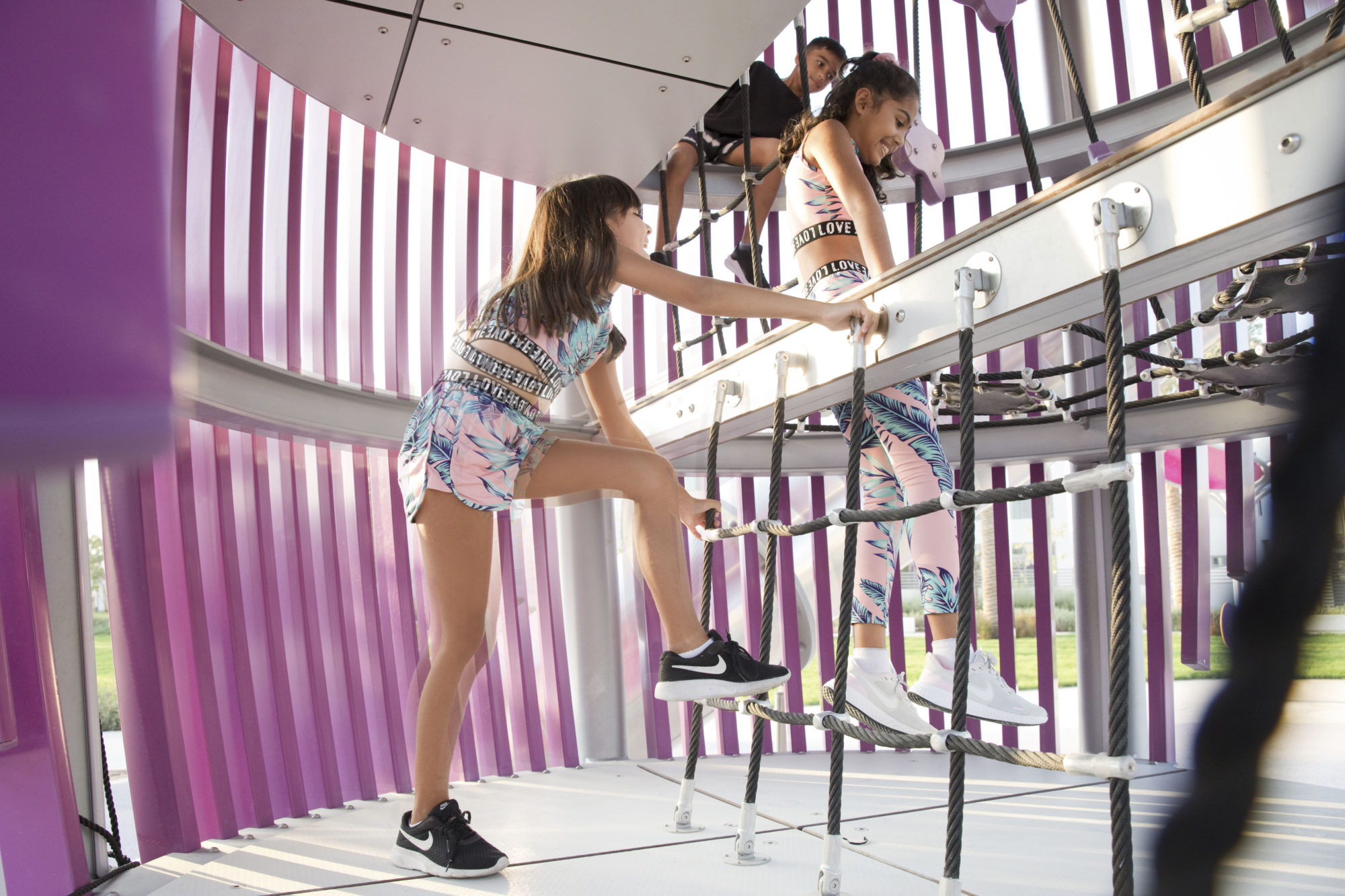
All these reflections could be applied to our company, where our principles and values will make us unique in the context of globalization. Very few companies have such a strong identity as Galopín, which takes into account concepts such as biophilia, the union of human beings with nature and their interaction with the environment, or the buffering effect, the power of certain environments to mitigate or cushion adverse factors. Also, our flexibility to meet demands and our ability to provide the design with a singularity according to the place: a Galopín product can be integrated into a park, a building, a shopping mall or a museum of modern art. XOGO is also the confirmation of all this text, a masterstroke that will help us to meet new demands and to position ourselves where our competitors are not able to reach.
Design is a language capable of solving the contemporary and future problems of a society that is increasingly global and nonconformist. It is also capable of producing social, cultural and economic transformation. It is still possible to make the world a better and more sustainable place. And there is no better contribution than to design and build environments for children to play and learn.




0 Comments