
Inclusive Play Spaces: Beyond Accessibility
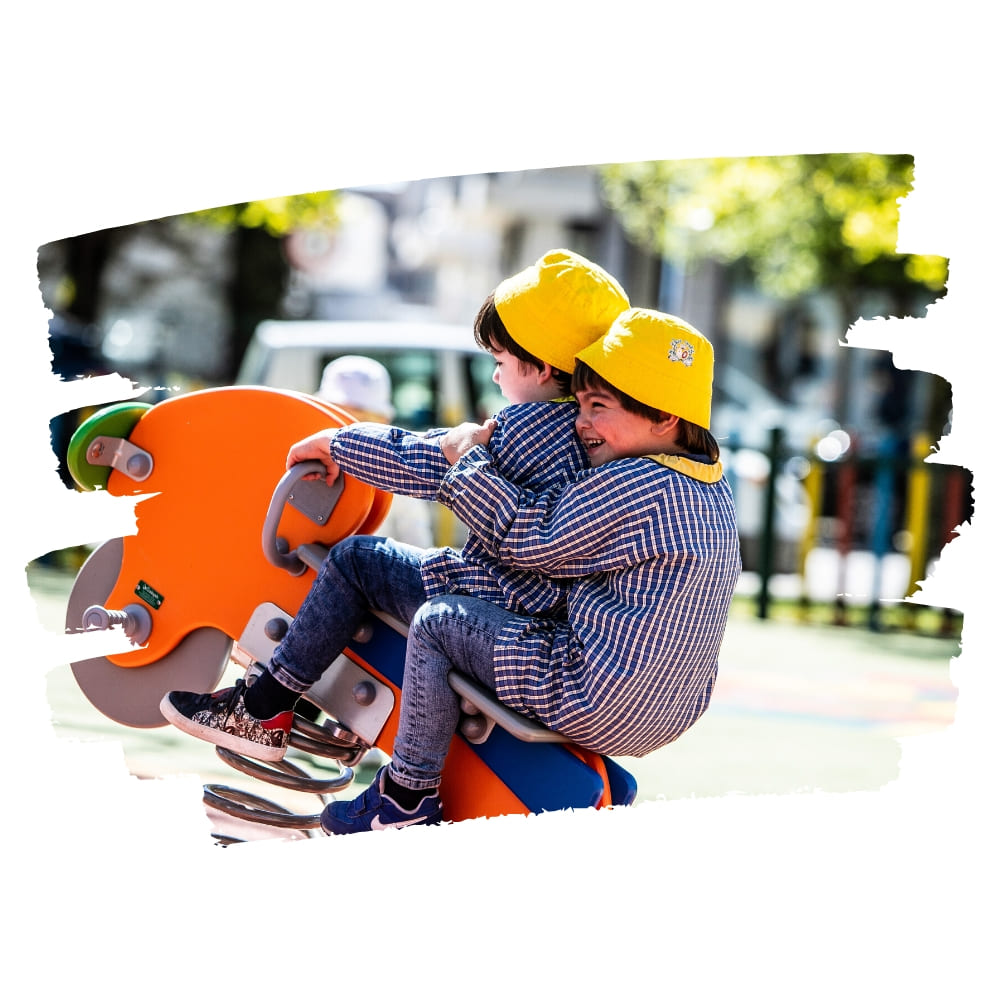
When we talk about playgrounds, we often think of swings, slides, and play areas. But true innovation in play space design today goes beyond fun: it’s about creating inclusive environments where all children—regardless of their abilities—can play, explore, and learn together.
What does it mean for a space to be inclusive?
It’s not just about meeting accessibility regulations. An inclusive playground combines design, materials, and layouts that:
- Enable mobility for children with diverse abilities
- Encourage interaction between different ages and skill levels
- Stimulate social and cognitive participation through play
In other words, an inclusive space turns every play area into an opportunity to learn and connect—not just to have fun.
Key elements of inclusive design
- Accessible routes: gentle ramps, non-slip surfaces, and interconnected paths that make all structures easy to reach.
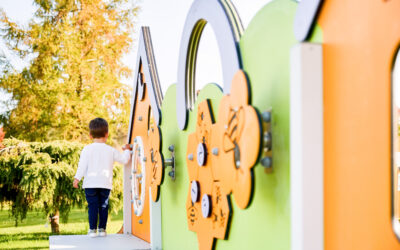
- Multisensory play features: interactive panels, textures, sounds, and colors that stimulate all the senses.
- Adaptable zones: spaces where children with different abilities can play together, without segregation.
- Clear signage: icons, pictograms, and colors that guide and support all users.
Benefits of inclusive spaces
- Holistic development: improves coordination, strength, and cognitive skills in all children.
• Social inclusion: fosters cooperation and empathy among children with different abilities.
• Community value: transforms the playground into a safe and welcoming place for families across the community.
How Galopín applies inclusion in its designs
At Galopín, we follow DIN 33942, a key German standard that regulates equipment for barrier-free play areas and defines technical safety requirements and testing procedures to ensure playgrounds are inclusive and accessible for children with different abilities. As a result, every project is conceived with inclusion in mind from the very first sketch. All our product ranges include elements that allow routes, levels, and activities to be adapted so that every child can participate according to their abilities—ensuring both fun and development at the same time.
An inclusive play area doesn’t just change how children play—it transforms how the community experiences the space.
Contact with us to know our inclusive solutions.
Más Entradas
Dog Parks and Agility Circuits: Urban Spaces for Dogs and Owners
Galopín Playgrounds: Beyond Play – Designing Spaces That Boost Social Wellbeing
The Importance of Movement in Children’s Physical and Emotional Development
The Role of Play Spaces in Welcoming Neighborhoods and Happy Communities
Preventive Maintenance to Extend the Lifespan of Your Playground

0 Comments