
The Importance of Movement in Children’s Physical and Emotional Development
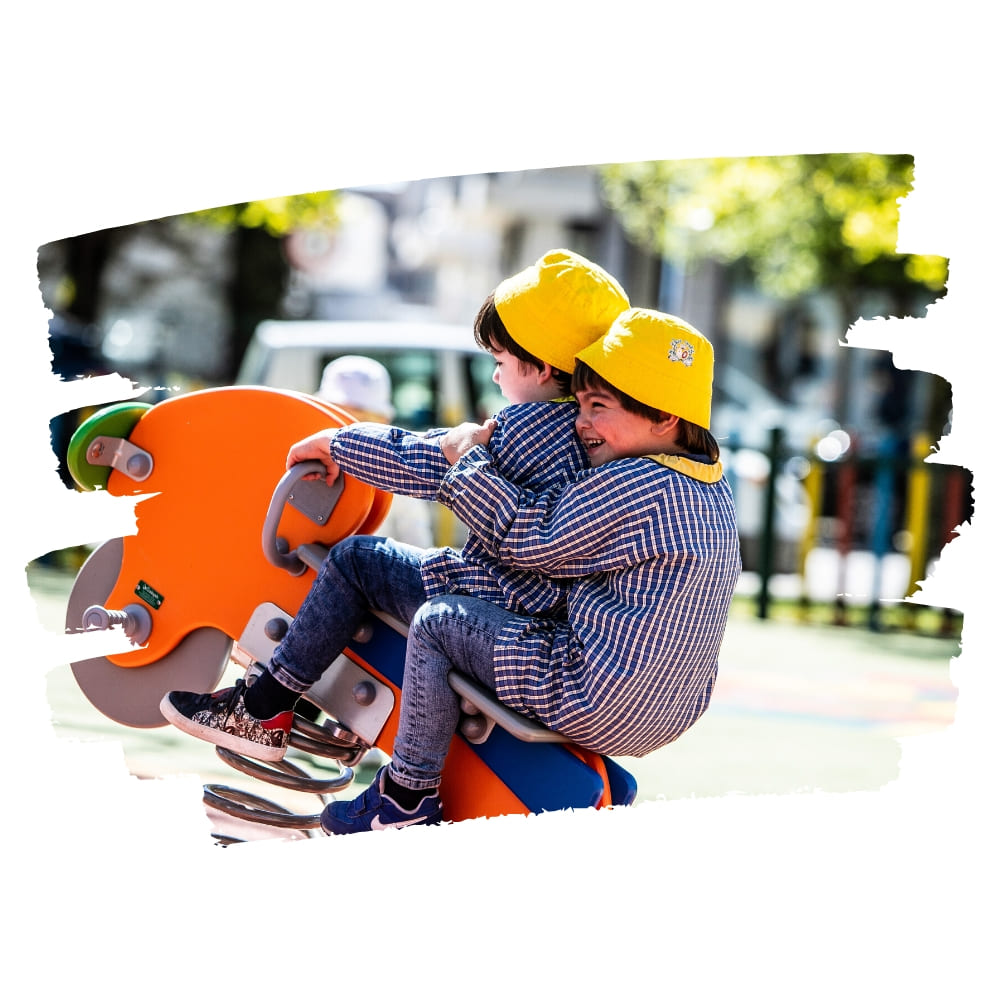
In childhood, movement is not just a physical activity—it is a vital necessity. Through active play, children discover the world, develop their bodies, express emotions, and build skills that will stay with them for life. However, in an increasingly sedentary society, creating spaces that encourage movement has become a real challenge… and also a great opportunity.
At Galopin, we believe that playing means moving, and moving means growing.
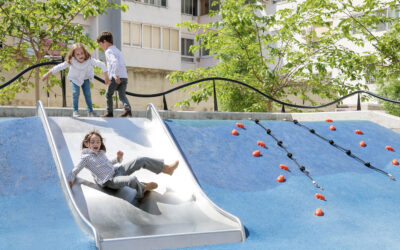
Movement and physical development: the foundation of healthy growth. During the early years of life, a child’s body is in constant evolution. Running, jumping, climbing, sliding, or swinging strengthens muscles and bones, improves coordination, balance, and agility, and helps establish healthy habits from an early age.
Active play stimulates both gross and fine motor skills, supports cardiovascular development, and helps prevent sedentary lifestyles. Above all, it allows each child to explore their own physical abilities, building confidence in their body and in what they can achieve.
Well-designed playgrounds offer multiple levels of challenge, adapting to different ages and abilities, and allowing movement to be free, safe, and stimulating.
Movement as a driver of emotional well-being. Emotional development is deeply connected to the body. Through movement, children release tension, manage emotions, and channel energy in a positive way. Active play reduces stress, improves mood, and supports emotional balance.
Every challenge overcome—climbing higher, crossing a bridge, trying a new element—reinforces self-esteem, autonomy, and resilience. Children learn that they are capable, that they can try again, and that mistakes are part of the process.
Movement also fuels creativity and imagination. A play space can turn into an adventure, a journey, or a shared story, where body and mind work together.
Play, movement, and socialization. Movement rarely happens in isolation. In play spaces, children interact, collaborate, negotiate rules, and learn how to live together. These experiences are essential for developing social skills such as empathy, respect, communication, and teamwork.
Inclusive and thoughtfully designed playgrounds encourage interaction between children of different ages and abilities, promoting values of diversity and integration through shared play.
The importance of design: spaces that invite movement. The environment directly influences how and how much children move. Monotonous or overly structured spaces limit play; in contrast, spaces that offer variety, sensory stimulation, and freedom of exploration spark spontaneous movement.
At Galopin, we design play spaces that invite exploration, imagination, and movement, combining safety, creativity, and challenge. Every project is born with the goal of creating experiences that support children’s physical, emotional, and social development.
Movement today, well-being for the future. Encouraging movement from early childhood is an investment in a healthier, more active, and more balanced society. Children who play, move, and explore develop a positive relationship with their bodies, manage their emotions more effectively, and acquire essential skills for adult life.
Creating spaces that promote active play is not just a matter of design—it is a commitment to the well-being of future generations.
At Galopin, we work every day to make movement a natural, fun, and transformative experience.
Más Entradas
The Role of Play Spaces in Welcoming Neighborhoods and Happy Communities
Preventive Maintenance to Extend the Lifespan of Your Playground
The Role of Play in Children’s Emotional Education
Designing for Childhood: Inclusion, Creativity, and Wellbeing in Every Playground
Intergenerational Calisthenics: When Spaces Are for Everyone

0 Comments